
Lithium-ion batteries can be found in a great number of devices commonly found in society, spanning the range from personal electric devices to personal medical devices to power tools. Stay safe when transporting batteries.
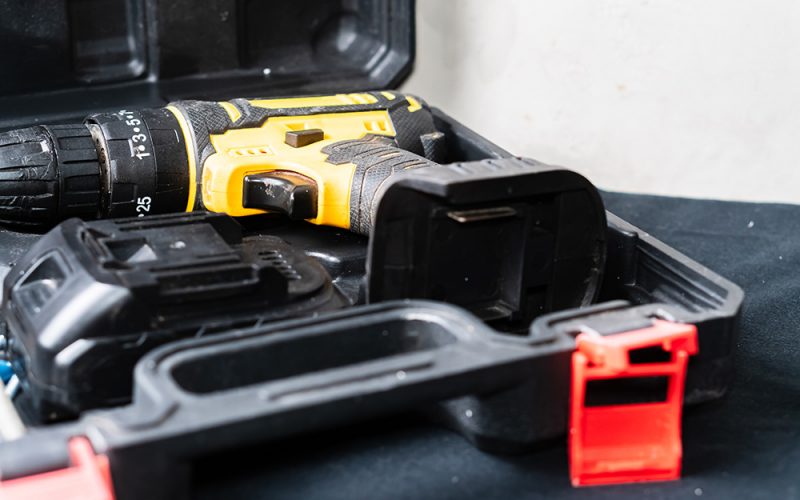
Generally, most consumer personal electronic devices are allowed to be carried on to an airplane, such as cell phones, laptops and tablets, gaming consoles, and cameras. Additionally, some uninstalled, or spare, batteries not exceeding 100Wh for these devices may be carried on, provided steps are taken to prevent short circuit. These devices are also generally allowed to be placed in checked baggage, however, the battery MUST be installed in the device and the device MUST be packed to prevent it from turning “on” during the flight. Uninstalled batteries are NOT allowed to be placed in checked bags.
The Federal Aviation Administration also reminds passengers that spare (uninstalled) lithium metal and lithium ion batteries are always prohibited in checked baggage and must be placed in carry-on. When a carry-on bag is checked at the gate or at planeside, any spare lithium batteries must be removed from the bag and kept with the passenger in the aircraft cabin.
To help ensure the safety of the traveling public, the U.S. Department of Transportation (“DOT”) has published information to inform the travelers about the importance of properly packing and handling batteries and battery-powered devices when they are carried aboard passenger aircraft.
The Power Tool Institute encourages passengers traveling with batteries or battery-powered devices, to comply with these regulations. The DOT publications regarding traveling with batteries or battery-powered devices can be found on the DOT website and PackSafe for Passengers website.
The publications include information intended to assist passengers in understanding and complying with applicable Federal Regulations when traveling with these products, including:
Disclaimer: This document is provided by Power Tool Institute (“PTI”) for informational purposes only. Any inaccuracy or omission is not the responsibility of PTI. PTI does not make any representations or warranties with respect to this document or its contents. PTI hereby disclaims all warranties of any nature, express, implied or otherwise, or arising from trade or custom, including, without limitation, any implied warranties of merchantability, noninfringement, quality, title, fitness for a particular purpose, completeness or accuracy. To the fullest extent permitted by applicable laws, PTI shall not be liable for any losses, expenses or damages of any nature, including, without limitation, special, incidental, punitive, direct, indirect or consequential damages or lost income or profits, resulting from or arising out of a company’s or individual’s use of this document, whether arising in tort, contract, statute, or otherwise, even if advised of the possibility of such damages.